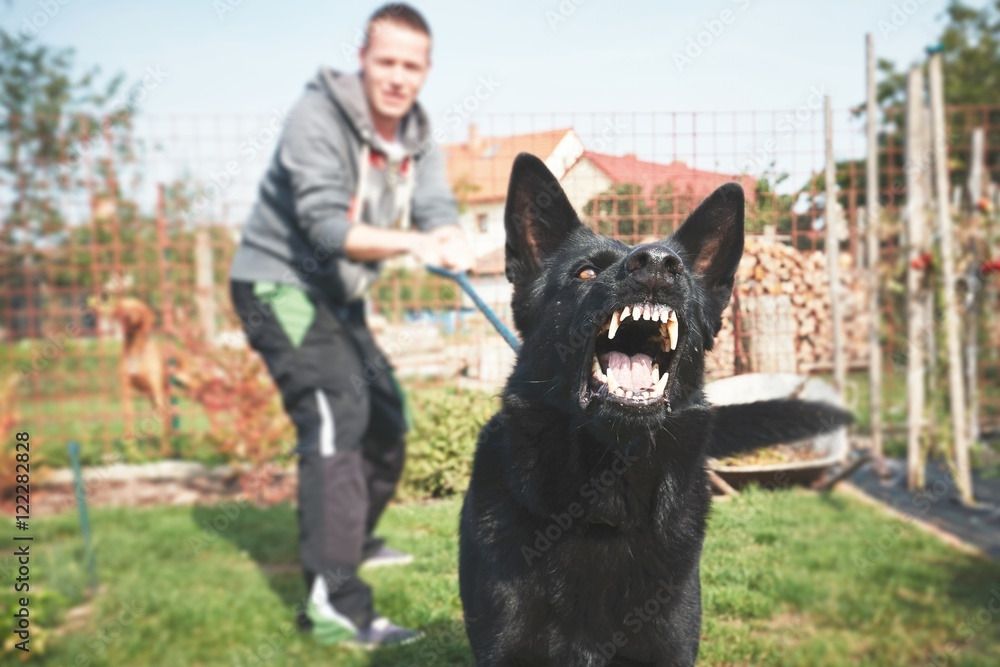
Aggressive dog training is one of the most important and misunderstood areas of canine behavior work. When a dog shows signs of aggression, such as growling, lunging, snapping, or biting, it is not simply “bad behavior.” It is communication rooted in fear, stress, genetics, environment, or past experiences. Effective aggressive dog training focuses on identifying the cause, reshaping emotional responses, and building safer behavior patterns through structured, humane methods.
For dog owners, dealing with aggression can feel overwhelming and even dangerous. However, with the right guidance and professional approach, most dogs can significantly improve. The goal is not punishment, it is transformation through behavior modification, trust-building, and consistency.
In this guide, we break down how aggressive behavior develops, what effective training looks like, and how professional support from Rob’s Dog Training can help families create safer, calmer households.
- Understanding Aggressive Dog Training
- Common Causes Behind Aggressive Behavior in Dogs
- Professional Aggressive Dog Training and Behavior Assessment
- Proven Techniques Used in Aggressive Dog Training
- What Owners Should Avoid When Dealing with Aggression
- Why Professional Aggressive Dog Training Matters
- Choosing the Right Aggressive Dog Trainer
- Building a Safer Future Through Aggressive Dog Training
Understanding Aggressive Dog Training
Aggression in dogs is not a single behavior, it is a spectrum. Aggressive dog training addresses behaviors ranging from mild reactivity to severe bite incidents. A professional trainer does not label a dog as “aggressive” and stop there. Instead, they evaluate the context behind the behavior.
Common forms of aggression include:
- Fear-based aggression (reacting due to perceived threat)
- Territorial aggression (protecting home or space)
- Leash reactivity (lunging or barking on walks)
- Resource guarding (protecting food, toys, or people)
- Social aggression (conflicts with other dogs or humans)
Understanding these categories is essential because each requires a different training strategy. A fear-driven dog, for example, cannot be corrected the same way as a dominance-seeking dog. Modern aggressive dog training relies on behavioral science, not outdated dominance theories.
Common Causes Behind Aggressive Behavior in Dogs
Before any effective training can begin, it is essential to understand what triggers aggression. Dogs rarely act without reason. Identifying these triggers is the foundation of successful behavior modification.
Typical causes include:
- Fear and anxiety: The most common cause of aggression
- Lack of early socialization: Puppies not exposed to varied environments
- Trauma or negative experiences: Abuse, attacks, or stressful events
- Medical issues: Pain or neurological conditions
- Frustration: Often seen in leash-reactive dogs
- Protective instincts: Guarding family members or territory
A well-designed aggressive dog training plan begins with identifying which of these factors are present. Without this step, training becomes ineffective or even counterproductive.
Professional Aggressive Dog Training and Behavior Assessment
Professional intervention is often necessary when aggression poses a risk to people, other animals, or the dog itself. At Rob’s Dog Training, behavior evaluation is the first step before any structured plan is created.
A proper assessment includes:
- Observing body language and triggers
- Reviewing the dog’s history and environment
- Testing reactivity thresholds in controlled settings
- Evaluating obedience foundation and handler communication
Once the assessment is complete, a customized aggressive dog training plan is developed. This ensures that training is not generic but tailored to the dog’s emotional and behavioral profile.
Proven Techniques Used in Aggressive Dog Training
Modern behavior modification relies on humane, science-backed techniques designed to improve long-term behavioral outcomes. These methods focus on changing emotional responses rather than forcing compliance.
1. Counterconditioning
This technique replaces negative associations with positive ones through consistent reinforcement. For example, a dog that reacts aggressively to strangers learns to associate strangers with rewards.
2. Desensitization
Dogs are gradually exposed to triggers at a low intensity over time, helping them build tolerance without stress or fear.
3. Structured Obedience Training
Commands like “sit,” “place,” and “leave it” help create clarity and control in stressful situations.
4. Leash Handling Techniques
Proper leash work reduces tension and prevents escalation during walks while improving communication and reinforcing calm consistent handler guidance skills.
5. Impulse Control Exercises
These exercises teach dogs to pause and think before reacting.
Each of these methods plays a role in effective aggressive dog training, helping dogs shift from reactive behavior to calm decision-making.
What Owners Should Avoid When Dealing with Aggression
One of the biggest challenges in addressing aggression is misinformation. Many outdated training methods can actually worsen behavior.
Avoid the following:
- Physical punishment or intimidation
- Yelling or harsh corrections
- Dominance-based theories (“alpha” training)
- Inconsistent rules within the household
- Ignoring early warning signs like growling
These approaches increase fear and anxiety, often escalating aggressive responses. Effective aggressive dog training is built on trust, not fear.
Why Professional Aggressive Dog Training Matters
Aggression is not a problem that typically resolves on its own. In many cases, it becomes more intense without structured intervention. Professional trainers bring experience, objectivity, and controlled environments that most owners cannot replicate at home.
Key benefits of professional support include:
- Safer handling of high-risk behaviors
- Faster identification of triggers
- Customized training plans
- Reduced risk of injury
- Long-term behavioral stability
Programs like those offered by Rob’s Dog Training focus on long-term transformation rather than short-term fixes. Their approach to aggressive dog training emphasizes communication, structure, and emotional regulation.
Choosing the Right Aggressive Dog Trainer
Not all trainers are equipped to handle aggression cases. Choosing the right professional is critical for safety and success.
Look for:
- Experience specifically with aggressive or reactive dogs
- Use of positive reinforcement and behavior science
- Transparent training methods
- Willingness to explain techniques clearly
- Customized training plans, not one-size-fits-all programs
A qualified professional in aggressive dog training should prioritize both safety and emotional well-being. The goal is not just obedience, it is rehabilitation and trust-building.
Building a Safer Future Through Aggressive Dog Training
Aggressive dog training helps address aggression in dogs, which can feel intimidating but is manageable with the right approach. Through structured evaluation, behavior modification, and consistent guidance, dogs can learn safer ways to respond to the world around them.
The most important step is taking action early. The longer aggressive behavior continues without intervention, the more ingrained it becomes. With professional aggressive dog training, owners can restore balance, improve communication, and create a safer home environment.
If you are ready to explore professional help and structured behavior solutions, Rob’s Dog Training offers personalized programs designed to support both dogs and owners in building lasting change.
You can learn more about structured behavior support through their programs here at robsdogs.